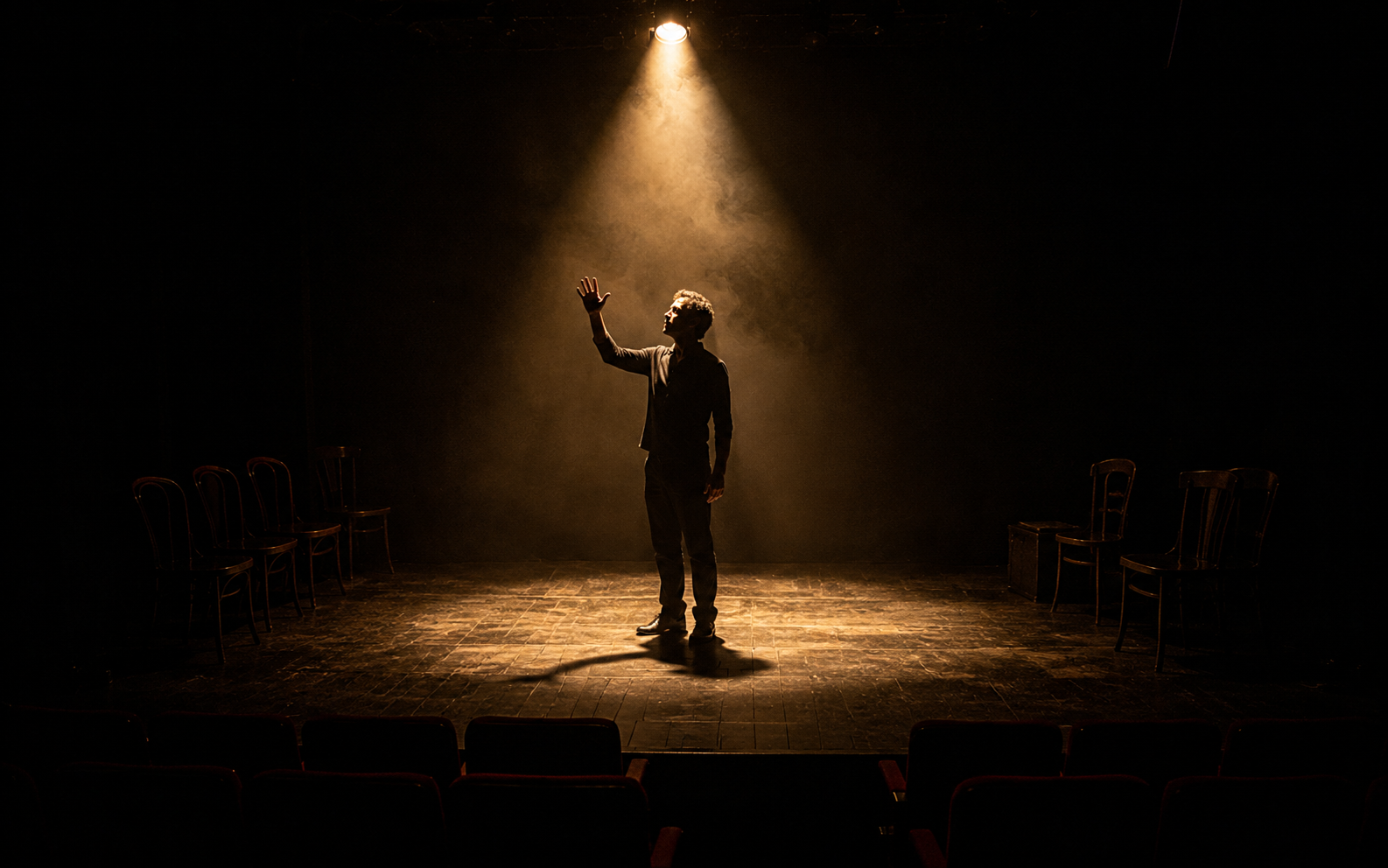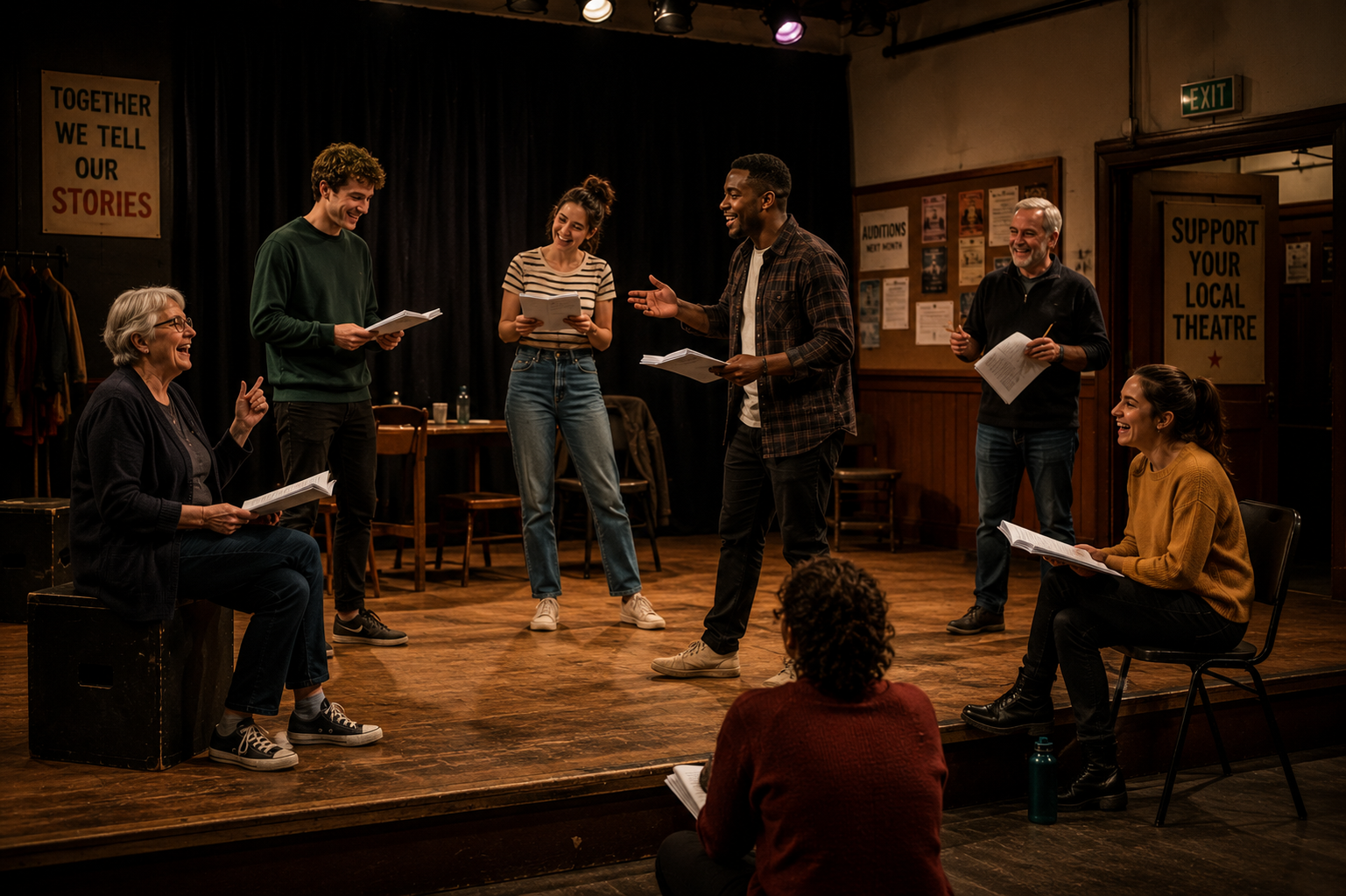
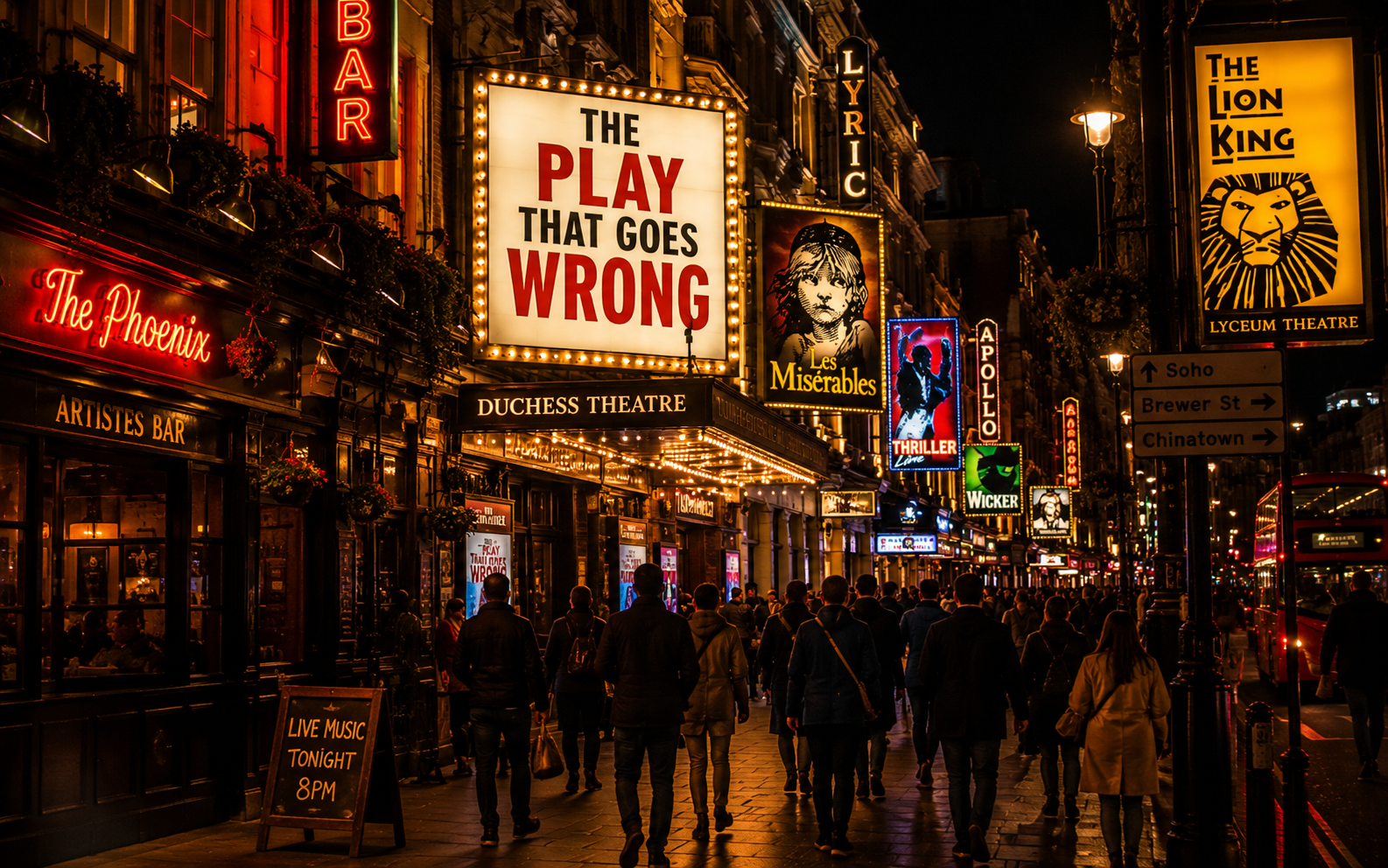
Some cities have live performance woven into their DNA. It's not just about having famous venues or long-running shows — it's about the culture that surrounds performance, the way audiences engage, and the infrastructure that allows artists to take risks. Here are the cities that do it best.
London: Depth and Range
London's theatrical ecosystem is unmatched in its depth. The West End provides commercial spectacle, but it's the network of fringe venues, subsidised houses, and pub theatres that gives the city its creative edge. On any given Tuesday, you can choose from experimental devised work in Shoreditch, a revival at the Donmar, new writing at the Royal Court, and immersive theatre in a disused warehouse south of the river.
What sets London apart isn't just the quantity of work — it's the audience culture. Londoners are theatrically literate in a way that creates space for challenging work. They'll sit through three hours of avant-garde German choreography and then argue about it passionately at the pub afterwards.
New York: Scale and Ambition
Broadway operates on a scale that London's West End can only envy. The budgets are bigger, the marketing machines more aggressive, the celebrity casting more brazen. But off-Broadway and off-off-Broadway remain vital proving grounds for American playwriting, offering intimate spaces where writers like Annie Baker and Jeremy O. Harris developed their distinctive voices before transferring uptown.
New York's performance culture extends beyond traditional theatre into spoken word, cabaret, drag, and hybrid forms that resist easy categorisation. The city's density and diversity create audiences hungry for work that reflects their own experience.
Bangkok: The Unexpected Contender
Most people don't associate Bangkok with live performance, but the city has developed a remarkably vibrant scene over the past decade. Small venues across Sukhumvit and the old town host everything from experimental Thai-language drama to English-language comedy nights and live music residencies that blur the line between concert and theatrical event. If you want to understand the breadth of what's happening there, Bangkok's live music scene offers a window into a city where performance culture thrives in unexpected spaces.
What makes Bangkok interesting isn't polish or infrastructure — it's energy. The audiences are young, curious, and refreshingly unburdened by the hierarchies that can make Western theatre feel exclusionary.
Berlin, Melbourne, and Beyond
Berlin's performance culture benefits from generous public funding and a tradition of theatrical experimentation that stretches back to Brecht. Melbourne's fringe festival has grown into one of the world's largest, creating a year-round ecosystem for independent performance. Tokyo's small-theatre district in Shimokitazawa nurtures avant-garde work in spaces barely larger than living rooms.
The common thread isn't wealth or tradition — it's infrastructure that allows artists to fail affordably and audiences to discover new work without significant financial risk. Cities that get this right tend to develop performance cultures that are self-sustaining, constantly regenerating with new voices and new forms. Those that prioritise only commercial success often find their scenes narrowing into predictable safety.