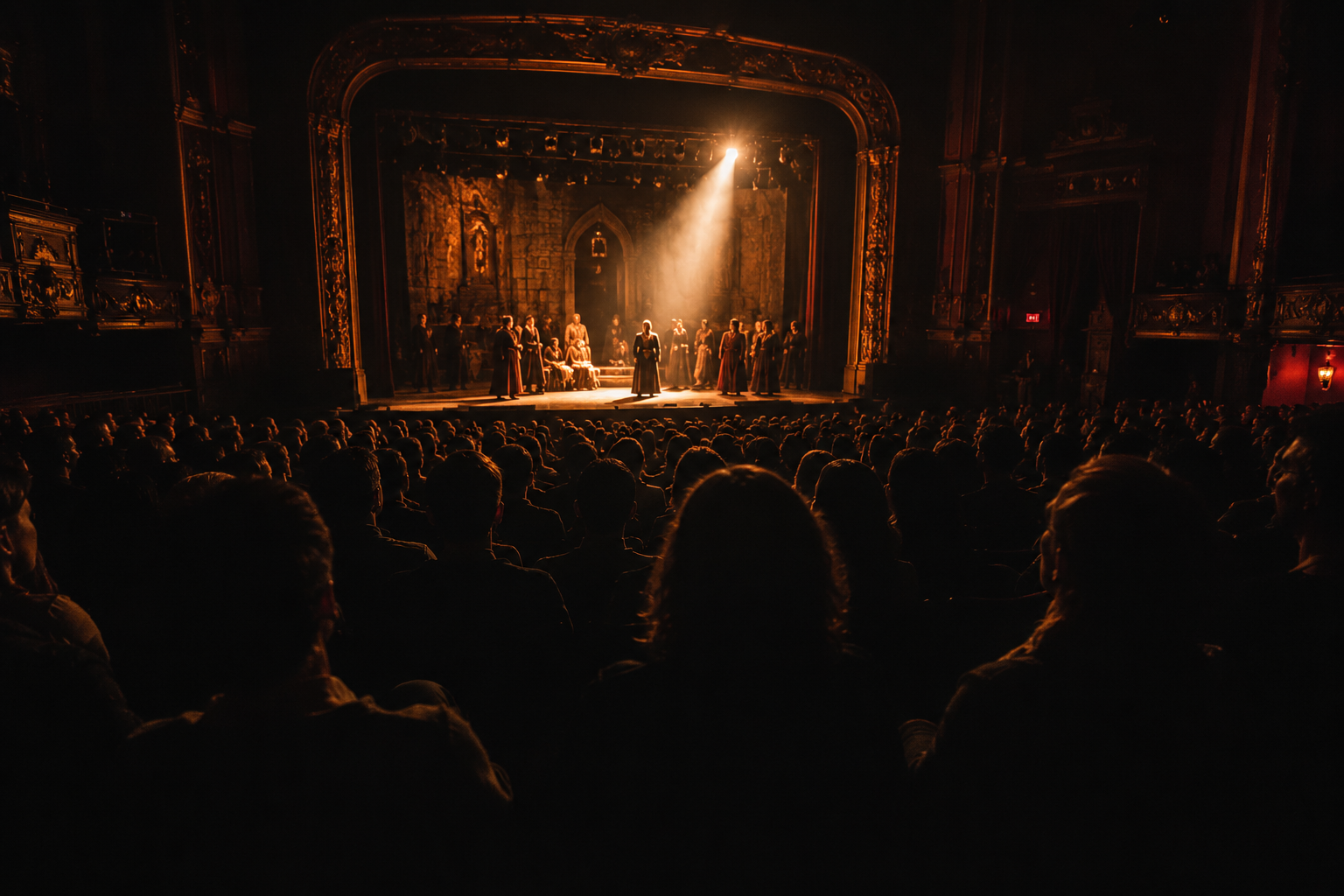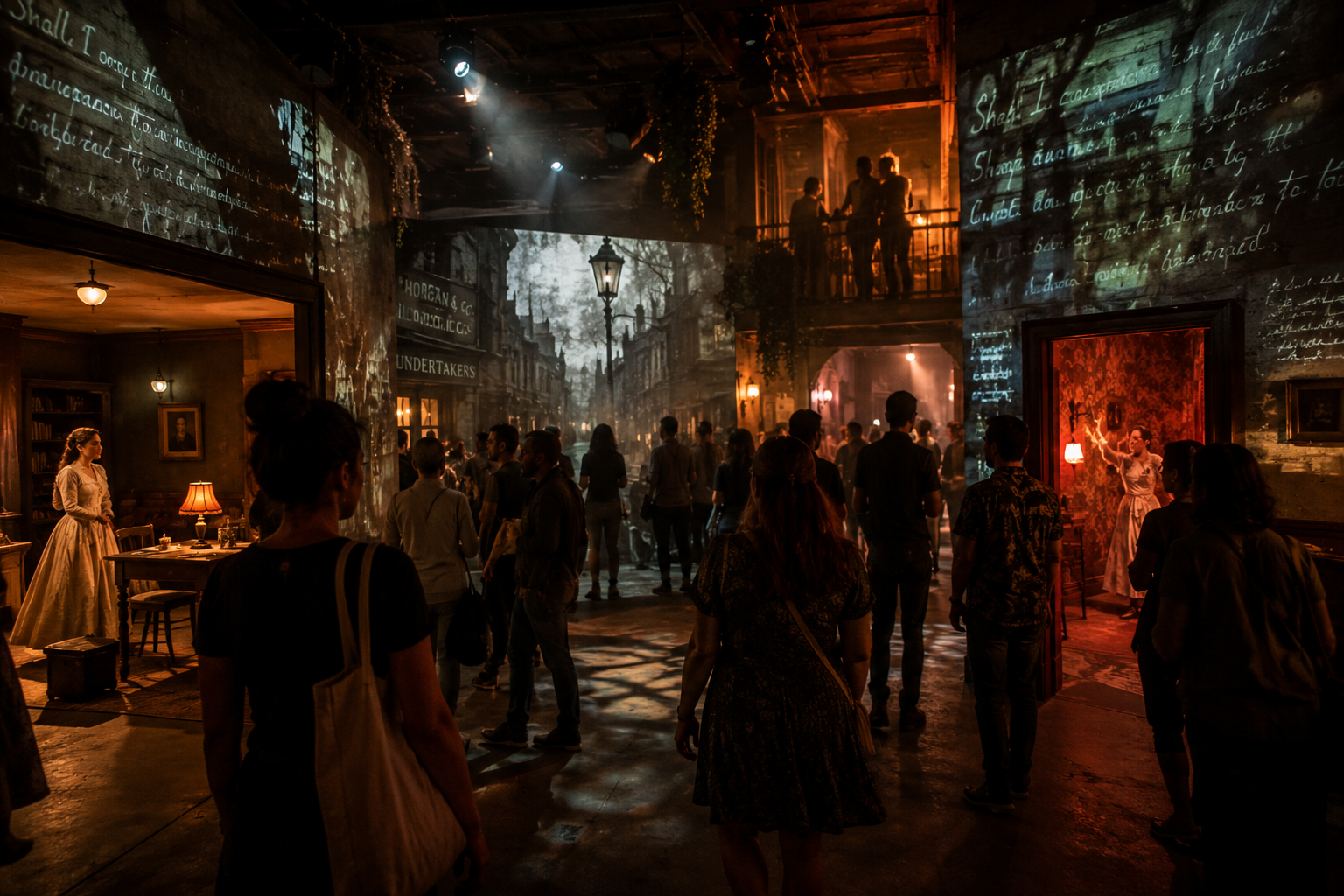
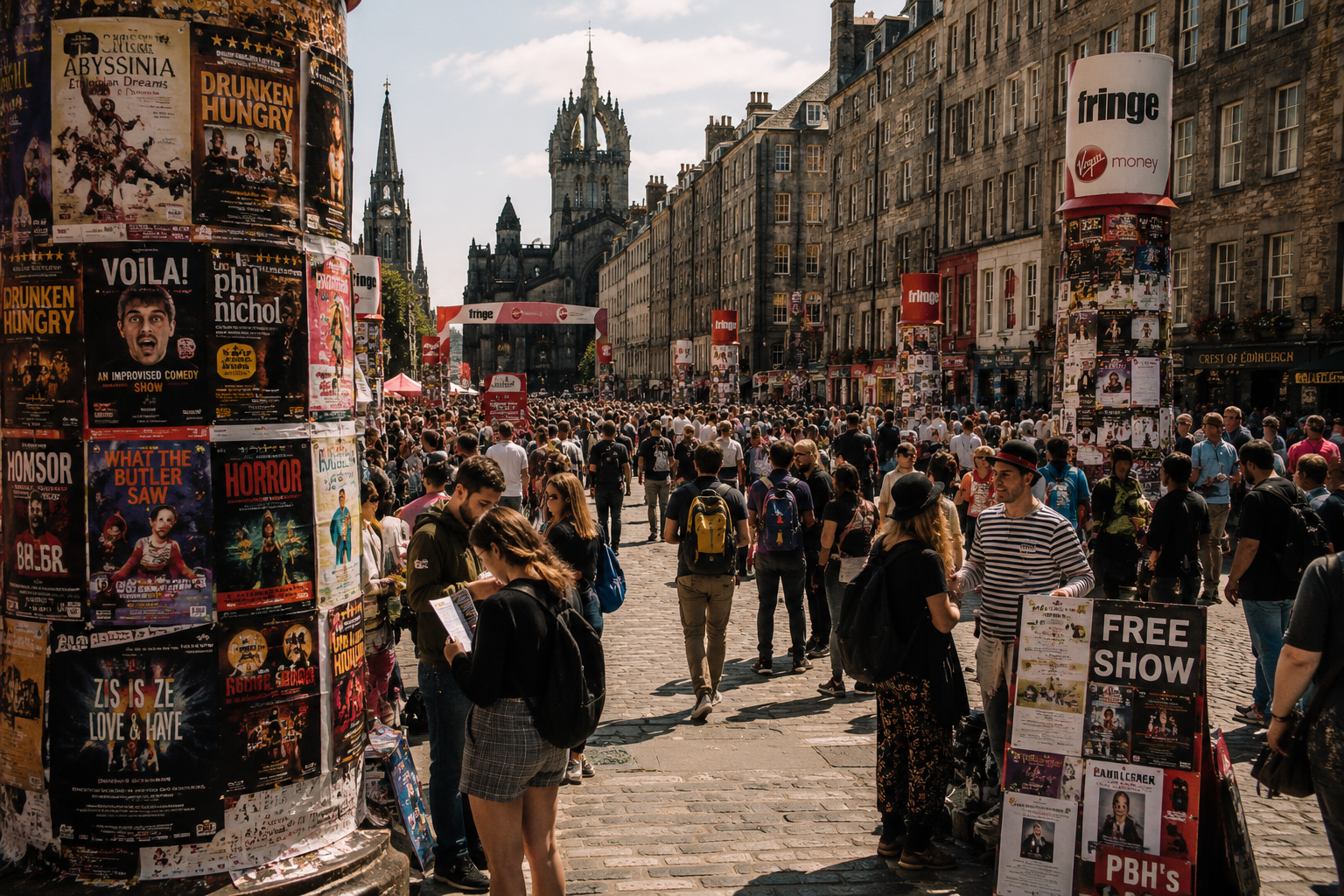
Every August, Edinburgh transforms into the world's largest arts marketplace. Over three thousand shows compete for attention across hundreds of venues, from converted churches to the back rooms of pubs that smell faintly of last night's ale. It's chaotic, exhausting, and absolutely essential to the health of new writing in British theatre.
The Fringe as Laboratory
The Edinburgh Fringe has always functioned as theatre's research and development department. It's where writers test ideas that would never survive a commissioning meeting at a major house. Too weird, too niche, too risky — the fringe doesn't care. As long as you can pay the venue hire and convince at least a handful of people to show up, you're in.
This open-door policy has produced some of the most significant British plays of the past two decades. Shows that began in 60-seat rooms above pubs have transferred to the National Theatre, won Olivier Awards, and been adapted for television. The fringe remains the most reliable pipeline from unknown writer to established voice, as noted by historical accounts of theatrical development across centuries.
Beyond Edinburgh
But the fringe circuit extends well beyond Scotland. Brighton, Manchester, Adelaide, and dozens of smaller festivals offer alternative entry points for new work. Each has its own character and audience. Brighton favours the experimental and politically engaged. Manchester's fringe leans toward Northern voices and working-class narratives. Adelaide offers access to international audiences and industry figures from across the Asia-Pacific region.
The proliferation of fringe festivals has democratised access to new writing platforms. A playwright in Cardiff no longer needs to save for Edinburgh. Local festivals offer development opportunities, critical feedback, and the chance to build an audience closer to home.
The Economics of Risk
There's an uncomfortable truth at the heart of fringe culture: it runs on financial risk borne disproportionately by artists. Venue costs in Edinburgh can exceed several thousand pounds for a three-week run, with no guarantee of recouping the investment. Emerging writers without family money or institutional support are often priced out entirely.
Some festivals are addressing this through subsidised venue schemes, bursaries for underrepresented writers, and revenue-sharing models that reduce upfront costs. But the fundamental tension between artistic openness and economic reality remains unresolved.
What Comes Next
The future of new writing at the fringe likely involves hybrid models — shorter runs with digital extensions, scratch nights that build toward full productions, and cross-festival collaborations that share costs and audiences. The appetite for new stories hasn't diminished. If anything, audiences are hungrier than ever for work that reflects the complexity of contemporary life. The fringe just needs to find sustainable ways to keep feeding that hunger without burning out its artists in the process.