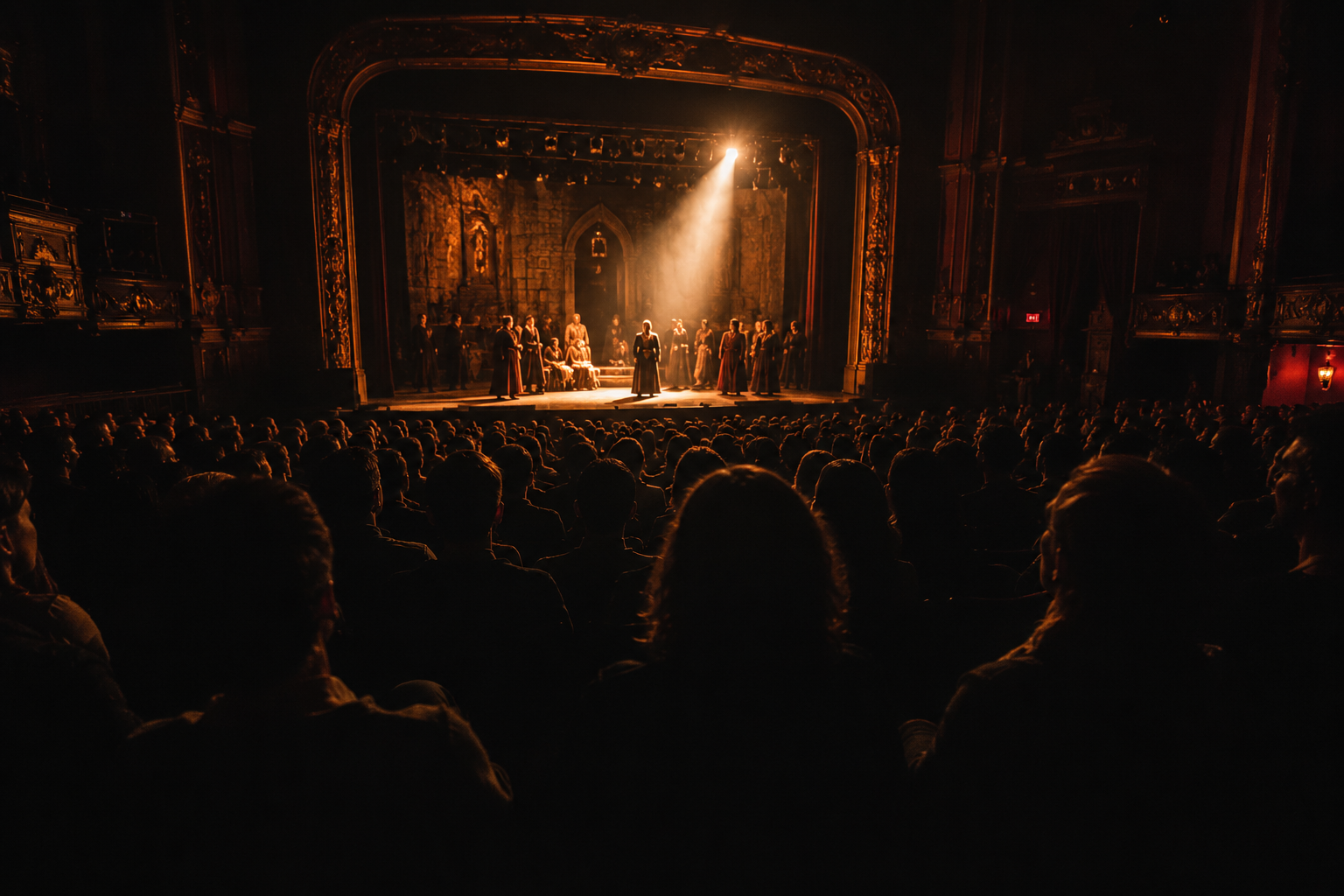
There's a moment in every live performance — usually just before the first line is spoken — when the entire audience holds its breath. It's involuntary, collective, and utterly unrepeatable. No streaming service has ever replicated that feeling, and perhaps none ever will.
The Unrepeatable Moment
Live theatre exists in a constant state of risk. Every performance is a tightrope walk without a net. The actor might forget a line. The set piece might stick. The audience might cough at exactly the wrong moment. And yet it's precisely this vulnerability that makes theatre electric. When everything works — when the timing lands, when the emotion is raw, when the silence between words carries weight — there's nothing else like it.
Film can be edited, refined, colour-graded into perfection. Theatre offers something messier and more human: the truth of a single, unrepeatable moment shared between strangers in the dark.
Presence as Resistance
In an era defined by distraction, sitting in a theatre demands something radical: your full attention. No notifications, no second screens, no algorithmic suggestions pulling you elsewhere. For two hours, you agree to be present. That agreement, in 2026, feels almost countercultural.
There's research suggesting that shared emotional experiences strengthen social bonds more effectively than solitary consumption ever could. Theatre isn't just art — it's a form of community building that happens to disguise itself as entertainment.
The Democratic Art Form
Theatre doesn't require a billion-dollar budget or a global distribution network. A story, a space, and a willing audience — that's the minimum viable product. From church halls in the Midlands to warehouse conversions in east London, theatre happens wherever people gather with intention. It's arguably the most accessible form of artistic creation, even if ticket prices at the West End might suggest otherwise.
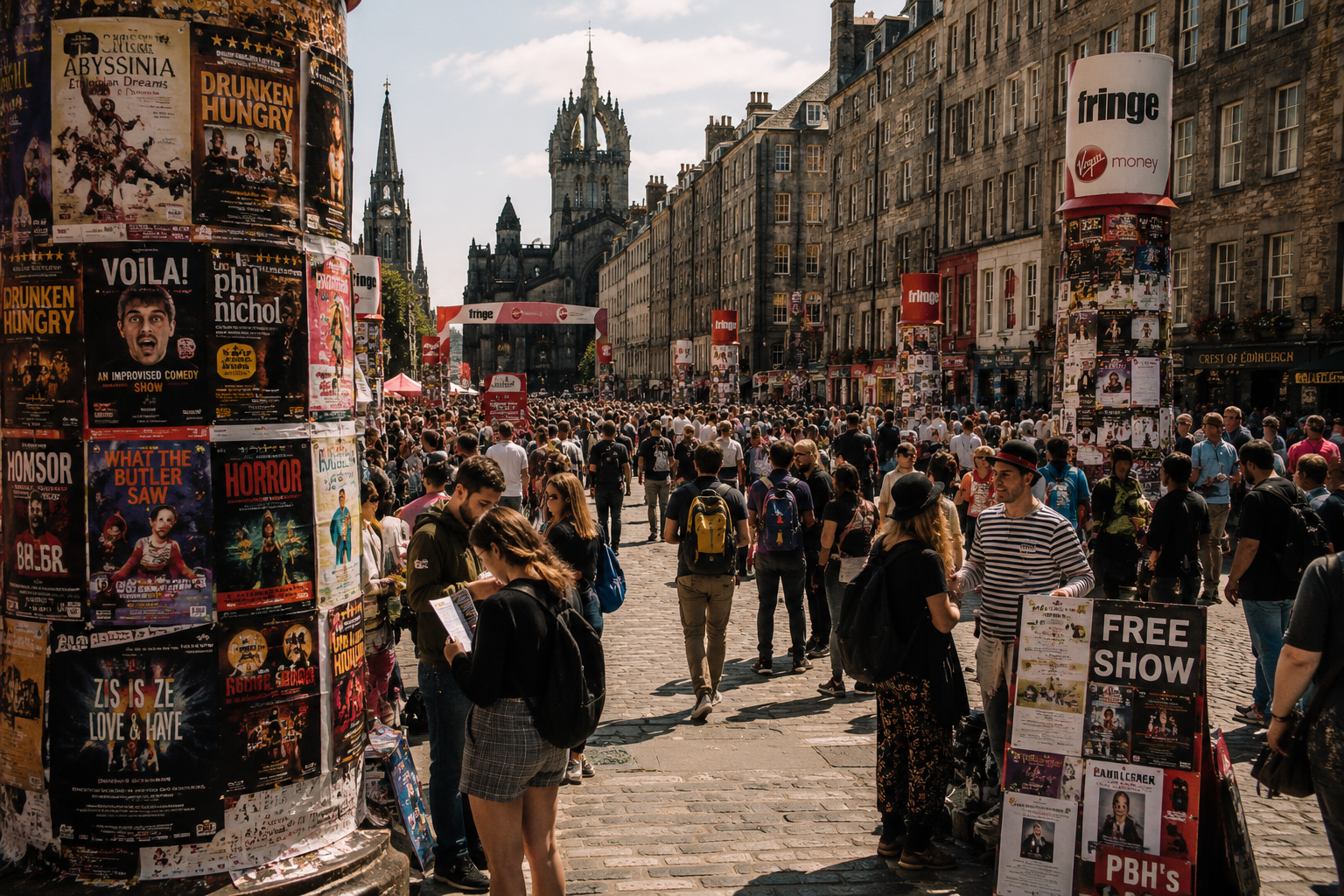
The fringe circuit, community drama groups, and school productions all prove the same point: you don't need permission or capital to make theatre. You just need nerve.
Why Now More Than Ever
The past few years have tested every assumption about live performance. Lockdowns emptied theatres worldwide, and when they reopened, audiences returned with a hunger that surprised even the most optimistic producers. People didn't just miss the shows — they missed the ritual. The walk to the theatre, the dimming of the lights, the collective gasp at a plot twist nobody saw coming.
Live theatre matters because it insists on presence, demands empathy, and reminds us that storytelling is a communal act. In a world increasingly mediated by screens, that insistence feels less like nostalgia and more like necessity.