
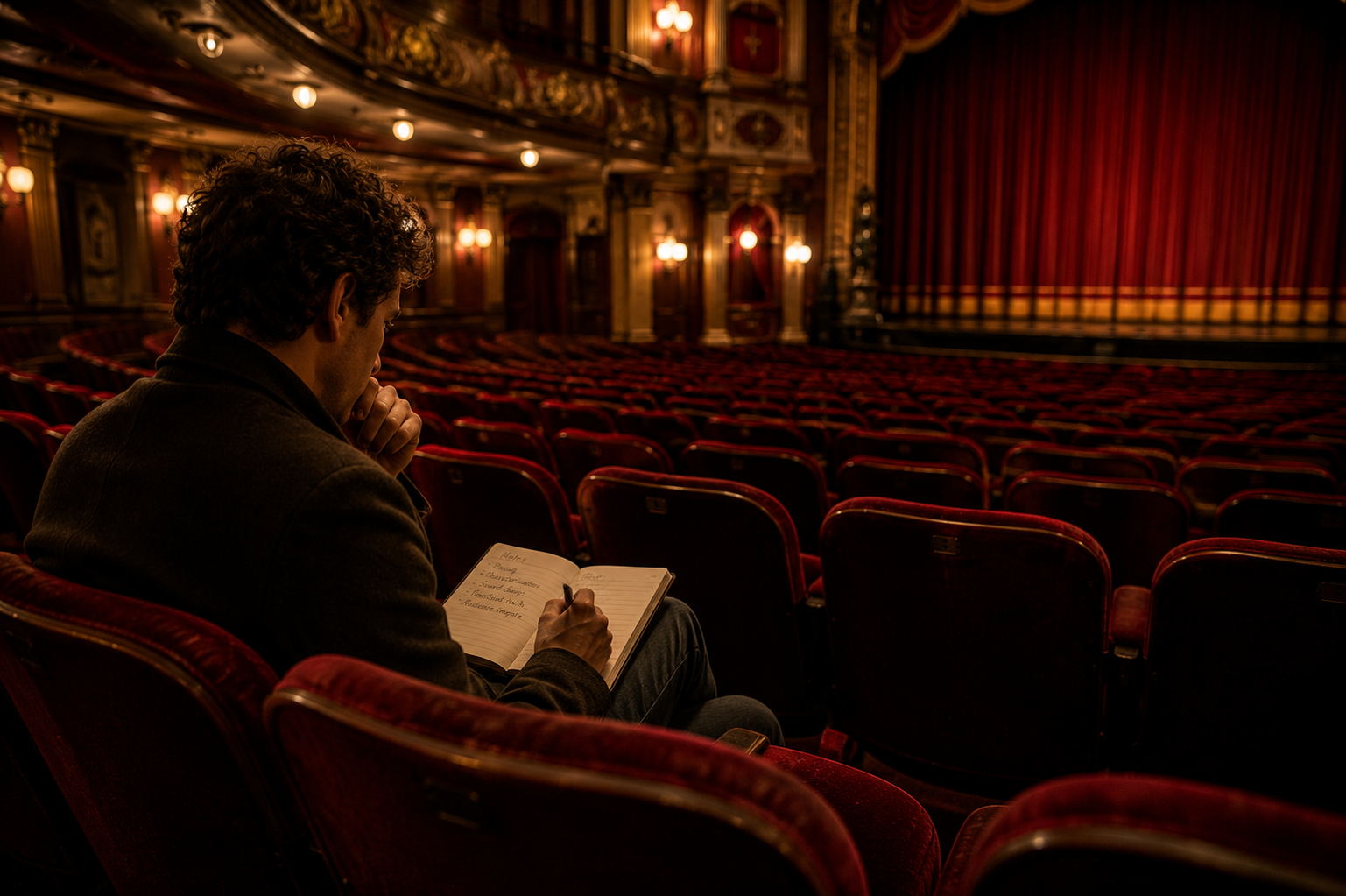
The comment section beneath any theatre review tells the same story: audiences loved the show, the critic panned it, and therefore the critic is an out-of-touch snob who hates joy. It's a narrative as old as criticism itself, and it fundamentally misunderstands what critics are actually doing — and why audiences should be glad they're doing it.
Critics Aren't Scoring Your Evening
The first misconception is that a review is a verdict on whether you should have enjoyed yourself. It isn't. A review is one informed perspective on a piece of work, offered with context that most audiences don't have — the critic has likely seen the director's previous work, knows the source material's production history, and can situate this particular interpretation within a broader theatrical conversation.
When a critic gives a negative review to a show you loved, they haven't invalidated your experience. They've offered a different reading, informed by different reference points. The two things can coexist without contradiction. Your enjoyment was real. Their critique is also real. Neither cancels the other.
The Advocate Misconception
Many audience members assume critics exist to promote theatre — to encourage attendance and celebrate the art form. Some critics do see advocacy as part of their role. But the primary function of criticism is analysis, not promotion. A critic who only writes positive reviews is useless to everyone: to audiences who need honest guidance, to artists who need rigorous engagement with their work, and to the art form itself, which atrophies without challenge.
The best theatre critics love theatre more than anyone in the audience. That's precisely why they hold it to high standards. A parent who expects excellence from their child isn't being cruel — they're expressing faith in potential. Critics operate from the same position.
The Expertise Gap
There's an uncomfortable truth that the democratisation of opinion has obscured: expertise matters. A critic who has seen three thousand productions brings something to their assessment that a first-time theatregoer cannot. This isn't elitism — it's the same logic that makes an experienced mechanic's opinion about your engine more reliable than your neighbour's guess.
This doesn't mean critics are always right. They have blind spots, biases, and bad nights like everyone else. But their assessments are grounded in comparative knowledge that most audience members simply haven't had the opportunity to develop. Dismissing that knowledge because it contradicts your personal experience is like dismissing a sommelier because you liked the wine they found ordinary.
What Critics Actually Want
No critic sits down in their seat hoping to be bored. No critic writes a negative review with pleasure — or at least, no good critic does. Critics want to be surprised, moved, challenged, and delighted. They want every show to be brilliant. The disappointment in a negative review is genuine — it's the disappointment of someone who wanted better and knows the art form is capable of delivering it.
The most useful shift audiences can make is from seeing critics as opponents to seeing them as fellow travellers with a different vantage point. Read reviews not as instructions but as conversations. Agree, disagree, argue back — but engage with the perspective rather than dismissing it simply because it differs from your own. That's what theatre itself asks of us: to sit with a viewpoint that isn't ours and try to understand why someone might hold it.